


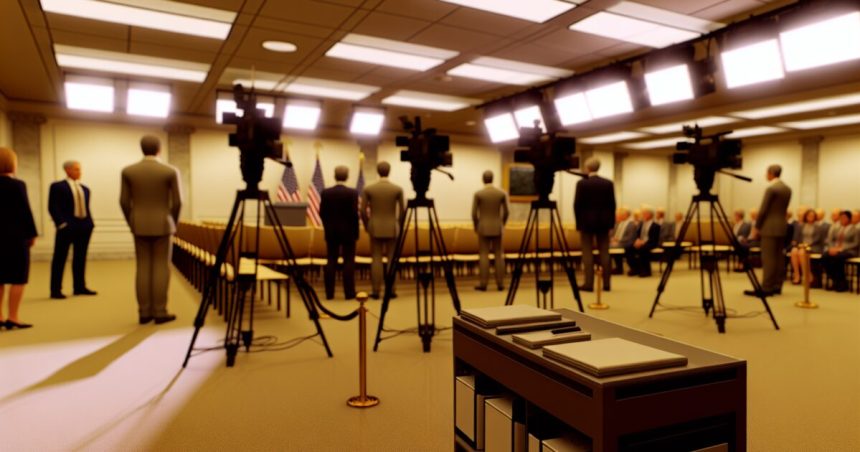
Kevin Warsh chairs his first Federal Open Market Committee meeting in about six weeks. Rates probably won’t move.
The Senate Banking Committee voted 13-11 on April 29 to confirm Warsh as the new Federal Reserve chair, replacing Jerome Powell. It was close. And it sets up a June 16-17 meeting where futures markets are pricing in a 93% chance that the central bank leaves its benchmark rate exactly where it sits today. No cut. No hike. Just wait and see what the new guy does.
Narrow Senate Vote Clears Path
Warsh got through the Senate Banking Committee by two votes. That’s not a mandate. It’s a coin flip with slightly better odds. The 13-11 split shows how divided lawmakers are on monetary policy right now, and it means Warsh walks into the job without much political cushion. He can’t afford big mistakes early on.
The vote came after weeks of hearings where senators grilled him on inflation, unemployment, and whether he’d be too hawkish or too dovish. Warsh didn’t give much away. He stuck to the script, talked about data dependence, and avoided committing to any specific rate path. That’s pretty much what you’d expect from a Fed nominee.
But the narrow margin matters. It signals that Warsh’s decisions will face intense scrutiny from both sides of the aisle. Some senators wanted someone more aggressive on inflation. Others wanted someone more concerned about jobs. Warsh landed somewhere in the middle, which satisfied just enough votes to get him confirmed.
Markets Expect No Move in June
Traders aren’t betting on drama. Futures tied to Fed policy show a 93% probability that rates stay put when the FOMC meets next month. Prediction markets—platforms where people wager on policy outcomes—show basically the same thing. The consensus is clear: Warsh’s first meeting will be a holding pattern.
That makes sense for a few reasons. New chairs don’t usually come out swinging with rate changes right away. They need time to get a feel for the room, build relationships with the other FOMC members, and figure out how the institution works from the inside. Warsh has been around the Fed before—he served as a governor from 2006 to 2011—so he’s not starting from scratch. But chairing the whole operation is different.
There’s also the data. Recent inflation numbers have been mixed, not screaming for immediate action. Employment looks stable. Growth is okay, not great. Nothing in the economic picture demands an emergency rate cut or a surprise hike. So the path of least resistance is to leave rates alone and give Warsh time to settle in.
Some analysts think the high probability of no change reflects confidence in the current economic setup. Others see it as markets playing it safe until they know how Warsh operates. Either way, the June meeting will be more about what Warsh says than what he does.
What Warsh Faces Next
Warsh’s first meeting will set the tone for his tenure. He’ll need to explain how he sees the economy, where inflation is headed, and what risks keep him up at night. The press conference after the meeting will matter more than usual because everyone will be looking for clues about his policy leanings.
Inflation remains a concern even if it’s cooled from its worst levels. The Fed has spent the past couple of years trying to bring prices under control without wrecking the job market. So far, that’s worked better than many economists expected. But the job isn’t done. Warsh will inherit a balancing act: keep inflation in check without triggering a recession.
He’ll also face political pressure. The narrow Senate vote means he doesn’t have universal support, and any controversial decision will bring criticism from lawmakers who didn’t want him in the first place. That’s just the reality of the job right now.
The June meeting will be Warsh’s chance to show how he handles the spotlight. No rate cut expected means he won’t have to defend a major policy shift. But he will have to defend his overall approach, and markets will parse every word he says for hints about what comes later.
Interest rate policy has been stable for months now, and traders seem to think that’ll continue under Warsh. The 93% probability of no change in June suggests confidence that he won’t rock the boat early on. But confidence can shift fast if economic data surprises or if Warsh signals a different direction than Powell took.
Warsh’s background includes a stint at the Fed during the financial crisis, so he’s seen what happens when things go wrong. He’s also worked in private equity and has ties to the business community. That experience could shape how he thinks about risk and how aggressive he’s willing to be on rates.
The June meeting won’t answer all the questions about Warsh’s Fed. But it’ll start to fill in the picture. Traders will watch the rate decision, read the policy statement, and listen to the press conference. Then they’ll adjust their bets on what happens next.
For now, the market’s message is clear: expect continuity, not change. Warsh’s first meeting will probably look a lot like Powell’s last one. Rates hold steady, the Fed stays cautious, and everyone waits for more data before making big moves.
Post Views: 15
Frequently Asked Questions
When does Kevin Warsh chair his first FOMC meeting?
Warsh’s first meeting as Fed chair is scheduled for June 16-17, 2026, about six weeks after his Senate confirmation on April 29.
What are the odds of a rate cut in June?
Futures markets and prediction platforms show a 93% probability that the Fed will leave interest rates unchanged at the June meeting.
How close was Warsh’s Senate confirmation vote?
The Senate Banking Committee voted 13-11 to confirm Warsh, a narrow two-vote margin that reflects divided opinions on his appointment.