



No votes yet – Be the first to vote
Bitcoin crashed hard on Wednesday. The world’s biggest cryptocurrency dropped 8% in just one day, hitting $26,000 and sending shockwaves through trading floors from New York to Singapore. Markets haven’t seen this kind of violent selling since the FTX collapse, and traders are pretty much holding their breath for what comes next.
The selloff didn’t happen in a vacuum – it’s part of a brutal stretch that’s got everyone on edge. Ethereum took a beating too, falling to $1,700 on Thursday with a 6% drop that had traders scrambling. And Cardano? ADA got hammered down to $0.32, losing 5% since Monday alone. Charles Hoskinson, who founded Cardano, hasn’t said a word about the carnage yet.
Shiba Inu sits stuck. The meme coin can’t break past $0.000007.
Stablecoin Holds Steady Amid Chaos
Tether keeps doing what it’s supposed to do – stay at $1.00. While everything else burns, USDT gives traders somewhere to park their cash without totally bailing on crypto. That’s basically the only good news right now, and it’s not really saying much when your biggest win is treading water.
Solana had its own nightmare on Tuesday when the whole network went down. Transactions froze, prices tanked to $18.50, and developers scrambled to fix whatever broke. Network outages are pretty much the worst thing that can happen to a blockchain, and Solana’s had more than its fair share. Investors who thought the platform had gotten its act together are probably reconsidering that bet.
But here’s the weird part – Binance saw trading volume jump 15% on Thursday. So while prices crater, people are actually trading more. Maybe they’re trying to catch falling knives, or maybe smart money is quietly accumulating while retail investors panic. Hard to say.
Big Players Make Bold Moves
MicroStrategy just bought another 1,000 Bitcoins on March 23rd. CEO Michael Saylor now owns over 130,000 Bitcoin, and he’s not backing down even with prices in free fall. The guy’s either a genius or completely nuts – time will tell which one.
Tesla still holds its Bitcoin stash too. Elon Musk’s company hasn’t sold a single coin according to their latest filing, which means they’re riding this wave all the way down. Or up, if you’re an optimist.
Coinbase stock dropped 10% the same day Bitcoin crashed. The exchange is feeling the heat from both sides – fewer people want to trade when prices are falling, and regulatory pressure keeps building. Not a great combo for business. This development aligns with Bitcoin Crashes to K as Traders, highlighting broader market trends.
And speaking of regulatory pressure, the Bank of England jumped into the conversation on March 22nd. They’re “concerned” about digital currencies and want “robust regulatory frameworks” to manage risks. That’s central bank speak for “we’re watching you, and we don’t like what we see.”
The SEC still hasn’t given anyone clear rules to follow. Industry folks keep waiting for guidance, but nothing comes. It’s like playing a game where nobody knows the rules, and the referees change their minds every week.
Court Battles and Exchange Moves
Ripple’s legal fight with the SEC hits another milestone next month. A court hearing could decide whether XRP gets to trade freely in the US or gets kicked to the curb. XRP holders are watching every legal filing like their lives depend on it, because frankly, their portfolios do.
The Shanghai Stock Exchange dropped some interesting news on March 21st. They want to explore blockchain tech for traditional markets, which could be huge if it actually happens. China’s been hot and cold on crypto, but blockchain for regular finance might be different.
Major exchanges like Binance and Coinbase haven’t commented on the recent chaos. That’s either because they’re too busy dealing with customer service calls or because their lawyers told them to keep quiet. Probably both.
Investors are sitting on their hands right now. Nobody wants to catch a falling knife, so trading volumes tell a mixed story – some platforms see more action, others see people just watching from the sidelines. This echoes themes explored in Bitcoin Surges Past K as Gold, underscoring the shifting landscape.
The crypto market’s next move depends on regulatory announcements that nobody can predict. Central banks and financial bodies keep saying they’ll release guidelines “soon,” but soon could mean next week or next year. Market participants basically have to guess what rules they’ll need to follow, and that’s not exactly a recipe for stability. Bitcoin’s technical support levels around $25,000 are getting tested hard, and if they break, things could get uglier fast.
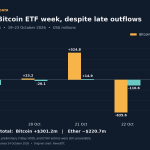
Institutional investors pulled billions from crypto funds during the selloff. BlackRock’s Bitcoin ETF saw $89 million in outflows on Wednesday alone, while Grayscale lost another $156 million as nervous fund managers headed for the exits.
Crypto lending platforms felt the squeeze too. Genesis Trading filed additional bankruptcy documents on March 24th, citing $3.4 billion in outstanding loans that borrowers can’t repay. Meanwhile, BlockFi customers still can’t access their funds after the platform froze withdrawals last November.
Frequently Asked Questions
Why did Bitcoin drop to $26,000?
Bitcoin fell 8% on Wednesday amid broader market volatility and ongoing regulatory uncertainty affecting the entire crypto sector.
What’s happening with Shiba Inu’s price?
SHIB remains stuck around $0.000007 with no significant upward momentum, causing investor speculation about future price movements.
Post Views: 1